At the start of the project, ASCS did not have a centralized notification system inside the console. For Air Cargo, many customer-facing updates were still handled through manual emails. This created an opportunity to explore how notifications could live directly inside the ASCS experience and help merchants better understand what changed, what needed attention, and who on their team should be notified.
The final direction included two main product areas: an in-console Inbox and a Notification Preferences experience. The Inbox gave users a central place to view, filter, and manage notifications. The Preferences experience gave users more control over what updates they receive, which services they apply to, who receives them, and which channels are used.

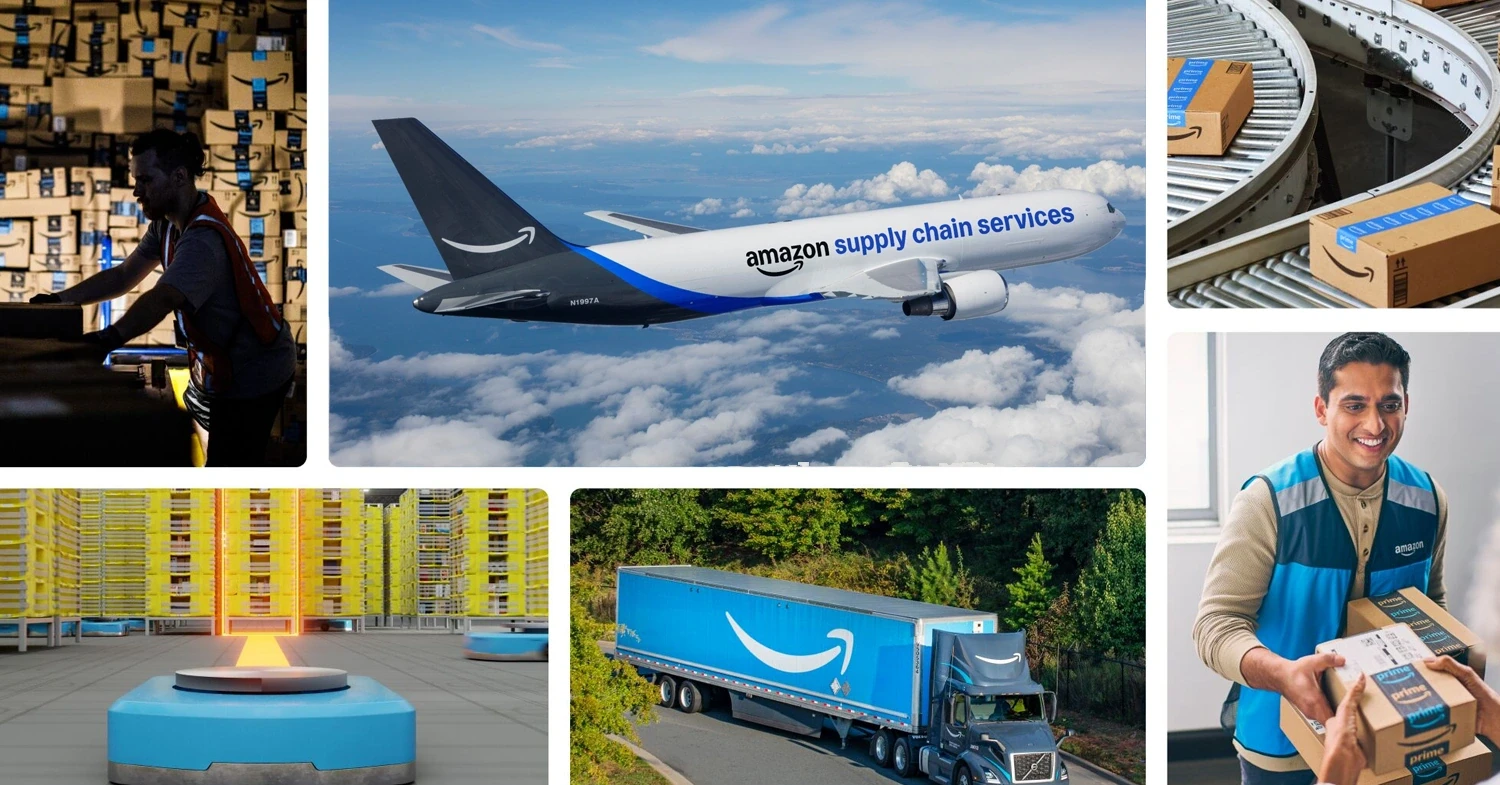
Amazon Supply Chain Services supports enterprise logistics customers who need to manage complex shipping workflows across different services. These workflows often include time-sensitive updates, booking changes, shipment milestones, exceptions, support messages, and operational alerts.
For this project, I focused on designing a scalable notifications experience for the ASCS console. The goal was to explore how merchants could receive important updates directly inside the platform instead of relying only on manual emails. I worked through discovery, competitive research, journey mapping, notification taxonomy, design explorations, stakeholder feedback, and final proof-of-concept flows.
The project resulted in concepts for an ASCS Inbox and Notification Preferences system, using Air Cargo as the primary pilot service and Amazon Freight as a secondary consideration.


Uncertainty is part of the process
This project taught me that uncertainty is a natural part of the design process. At the beginning, I did not always have clear answers, and that was okay. The work moved forward through conversations, feedback, and small decisions that helped create momentum. I learned that collaboration is not always about having the perfect solution right away, but about staying open, asking better questions, and building confidence while navigating ambiguity.
Building clarity takes courage
Building clarity takes courage because it requires making progress even when the next step is not fully obvious. During this project, I learned that not knowing where to start does not mean being lost. It means there is an opportunity to explore, ask for help, and understand the problem more deeply. Some of the most useful insights came from conversations that did not lead exactly where I expected, but still helped shape the direction of the work.
Design is nonlinear... like genuinely
This experience reminded me that design is not a straight path. Progress often came from unexpected places, and some ideas changed direction after feedback, critique, or new information. Collaboration helped move the work forward even when no one had the full answer yet. I learned that it is okay to be steered in the wrong direction sometimes, as long as you keep reflecting, adjusting, and moving toward a clearer solution.

Due to confidentiality, I am only able to share a limited version of this project in my portfolio. The full project included deeper research, design explorations, stakeholder feedback, and additional product details that cannot be publicly shown. I would be happy to speak more about my process, decisions, and learnings in a conversation!